A Guide to Makeup Brushes
Which brushes are worth owning, what each one does, and why a small good kit beats a large bag of random tools.
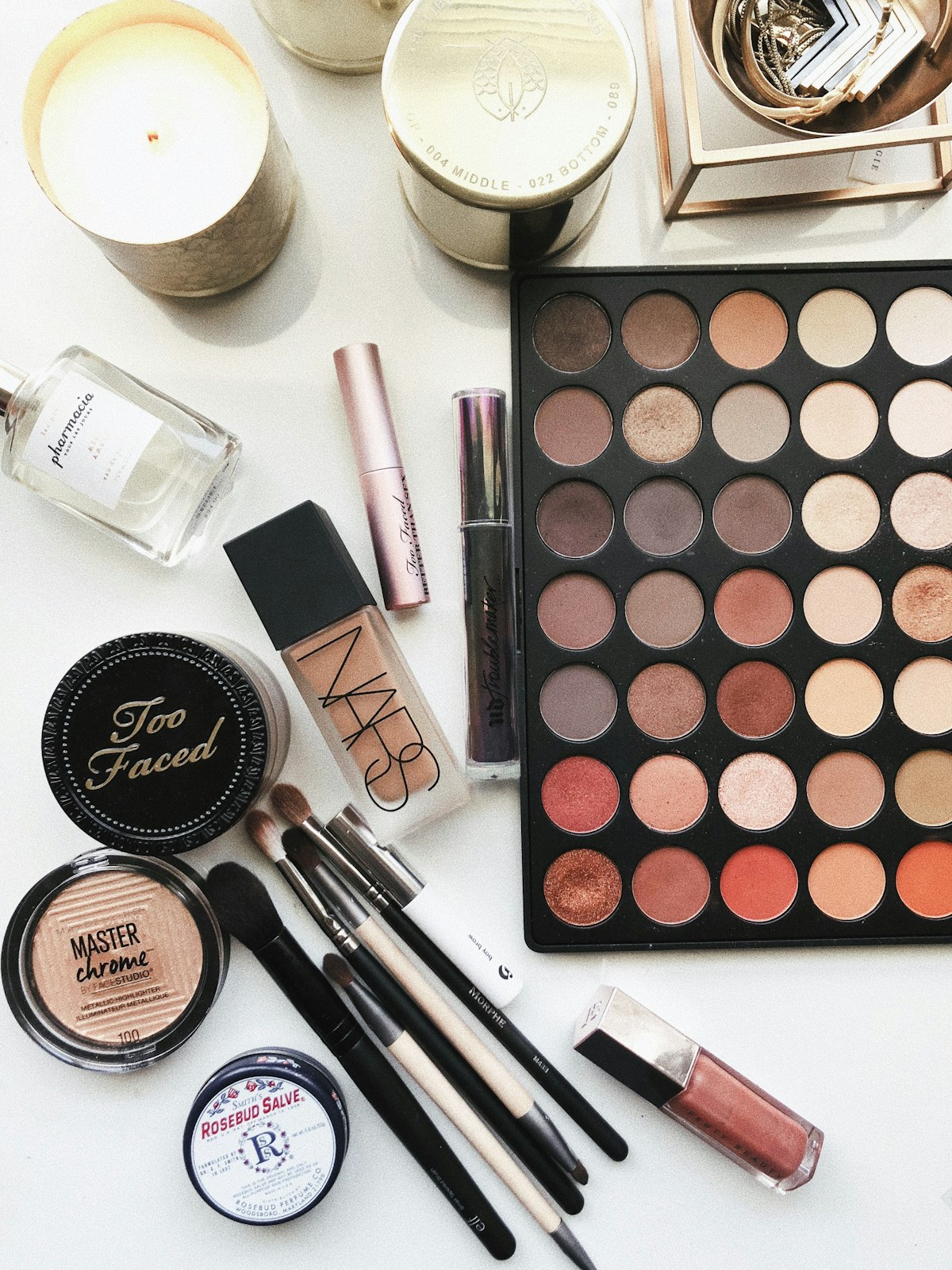
A large brush set looks impressive, and most of it goes unused. A small number of good brushes, chosen for the jobs you actually do, will improve a routine more than a bag full of tools in every shape. The trick is knowing which shapes matter and which are solutions to problems you do not have.
Brushes are not all interchangeable. A flat brush places product, a fluffy brush blends it, and a dense brush covers. The hair type, the shape and the size each affect the result, and understanding those differences is enough to build a useful kit.
Natural or synthetic
The first choice is between natural and synthetic hair. Natural bristles, usually from animals, have a textured surface that picks up and holds powder well. They are traditionally used for powder products such as eyeshadow and blush. Synthetic bristles are smooth and are better for liquids and creams, since they do not soak up the product.
For a person who uses mostly liquid foundation and cream products, synthetic brushes are the more practical choice. For powder eyeshadow, a natural brush gives better colour pickup, though a well-made synthetic one can work. Many brushes now use a mix of both.
A brush does not have to be expensive to work well. What matters is that the bristles are soft, that they hold their shape and that the handle is comfortable. An expensive brush with poor shape is less useful than a modest one that suits your hand.
The essential brushes
A foundation brush or a damp sponge is the first tool. A flat synthetic brush gives smooth, even coverage, while a sponge gives a lighter, skin-like finish. Many people use both, a brush for larger areas and a sponge for blending.
A fluffy powder brush is the second. It is used for loose or pressed powder, for bronzer and for blush. A large, soft brush covers a lot of area and gives a light result. A smaller, more precise brush is useful for blush, since it places the colour where you want it.
An eyeshadow brush set can be small. A flat shader brush packs colour onto the lid, a fluffy blending brush softens the edges and a small angled brush works for the lash line or the brows. Two blending brushes are useful so that a light and a dark shade can be blended without mixing them.
A brow spoolie and a clean pencil or gel are useful for brows, and a small comb keeps the hairs in place. A lip brush is optional, but it gives a precise edge and makes a bold lipstick easier to apply.
Shapes and what they do
A flat brush has straight, dense bristles and is designed to place product. It gives strong colour and a smooth finish, which is why it is used for foundation and for shimmer eyeshadows.
A fluffy brush has soft, rounded bristles that spread product and soften edges. It is the blending tool, and it is the one that beginners use most. A larger version is used for face powder and blush, and a smaller one for the crease of the eye.
An angled brush has bristles cut at a slope. It is useful for applying product along the lash line, for filling brows and for precise work around the lips. The shape reaches areas that a rounded brush cannot.
A stippling brush has two layers of bristles and gives a light, airbrushed effect with liquid products. It is less essential than it once was, since a damp sponge often gives a similar result with less effort.
A fan brush has widely spaced bristles and is used for a very light dusting of powder or highlighter. It is a specialist tool and is not needed by most people.
Choosing for your routine
A person who wears a full face of makeup every day will use more brushes than someone who wears a few products. The sensible approach is to buy a brush when a technique calls for it, rather than in advance.
For a minimal routine, a sponge, a fluffy powder brush, a flat shader brush and a blending brush cover almost everything. A person who adds blush, contour and brow products can add a small angled brush and a smaller fluffy brush.
A good test before buying is to ask what the brush will do that an existing one cannot. If the answer is nothing, it is probably not needed.
Cleaning and care
Brushes need regular cleaning. A brush that holds several colours will mix them into a muddy shade, and one that is not washed can hold bacteria. Powder brushes should be washed about once a week and brushes used with liquids more often.
Washing is simple. A small amount of brush cleaner or gentle shampoo is worked through the bristles with lukewarm water, and the brush is rinsed until the water runs clear. It should be laid flat to dry, since water running into the handle can loosen the glue that holds the bristles.
Sponges should be washed after every few uses and replaced every few months. A sponge that has become stiff or that stays damp should be thrown away.
Common mistakes
Using a small brush to blend is a frequent error. A small brush moves colour in a tight area and leaves a hard edge. Switching to a larger, softer brush can improve a look without changing any product.
Not cleaning brushes often enough is the second. Dirty tools give uneven results and are less pleasant to use. A quick clean once a week is enough to keep a small kit in good condition.
Buying a large set is a common early mistake. A beginner ends up with twenty brushes and uses four. Buying individual brushes as needed costs less in the long run and produces a kit that suits the way you actually do your makeup.
Brushes for a beginner’s kit
A person starting from scratch can put together a working kit with four tools. A damp sponge covers foundation and blends concealer. A large fluffy brush applies powder and blush. A flat shader places eyeshadow on the lid. A small fluffy brush blends the crease. With those four, most everyday looks are possible, and each tool has a clear purpose.
The next additions depend on what you do most often. Someone who wears liquid eyeliner may want an angled brush, while someone who fills their brows will want a spoolie and a fine brush. A person who likes a precise lip will find a lip brush useful. Buying one at a time, after noticing what is missing, builds a kit that fits your routine rather than one that follows a list.
Storage matters less than people think, though keeping brushes in a clean, dry place helps them last. A cup or a holder that keeps the bristles off surfaces is enough. A travel pouch is useful for the brushes you take with you, but a small kit is easier to travel with than a large one.
Sponges and applicators
Sponges are not brushes, and they deserve a separate mention. A damp beauty sponge gives a sheer, skin-like finish with foundation and is the tool most artists reach for. It absorbs some product, so a little more foundation may be needed, and it should be cleaned often.
Disposable applicators have their place. A cotton bud changes a small mistake without washing a brush, and a flat sponge applicator is convenient for a single eyeshadow look when travelling. They are wasteful as daily tools but useful occasionally.
The bottom line
A useful brush kit is small. A sponge, a fluffy powder brush, a flat shader and a blending brush cover most routines, and a few more can be added when a technique calls for them. Soft bristles, a comfortable handle and regular cleaning matter more than price or quantity.
Brushes for travel
A person who travels with makeup quickly learns that a small kit is a better kit. A sponge, a powder brush, a flat shader and a blending brush will cover most needs, and they fit into a small pouch. Taking an entire collection on a trip usually means carrying tools that will never be used.
A travel brush cleaner or a small spray of brush cleaner keeps the tools usable away from home, and a spare sponge in a sealed bag is useful when the first one is damp. Planning around what you actually do, rather than what you might do, makes travelling with makeup far simpler.
Investing gradually
A good brush can last for years, which makes it reasonable to spend a little more on the ones you use most. A blending brush that holds its shape and feels soft will improve every eye look, and a foundation brush that applies evenly will save product. These are the tools worth spending on first.
Specialist brushes can wait. A fan brush, a stippling brush or a detail brush may be useful for a particular look, but most people discover the need only after they have been doing their makeup for a while. Buying them earlier adds clutter rather than skill.