Makeup Removers and Cleansers
Oil, balm, micellar water and cleanser: how to get makeup off without wrecking your skin barrier.
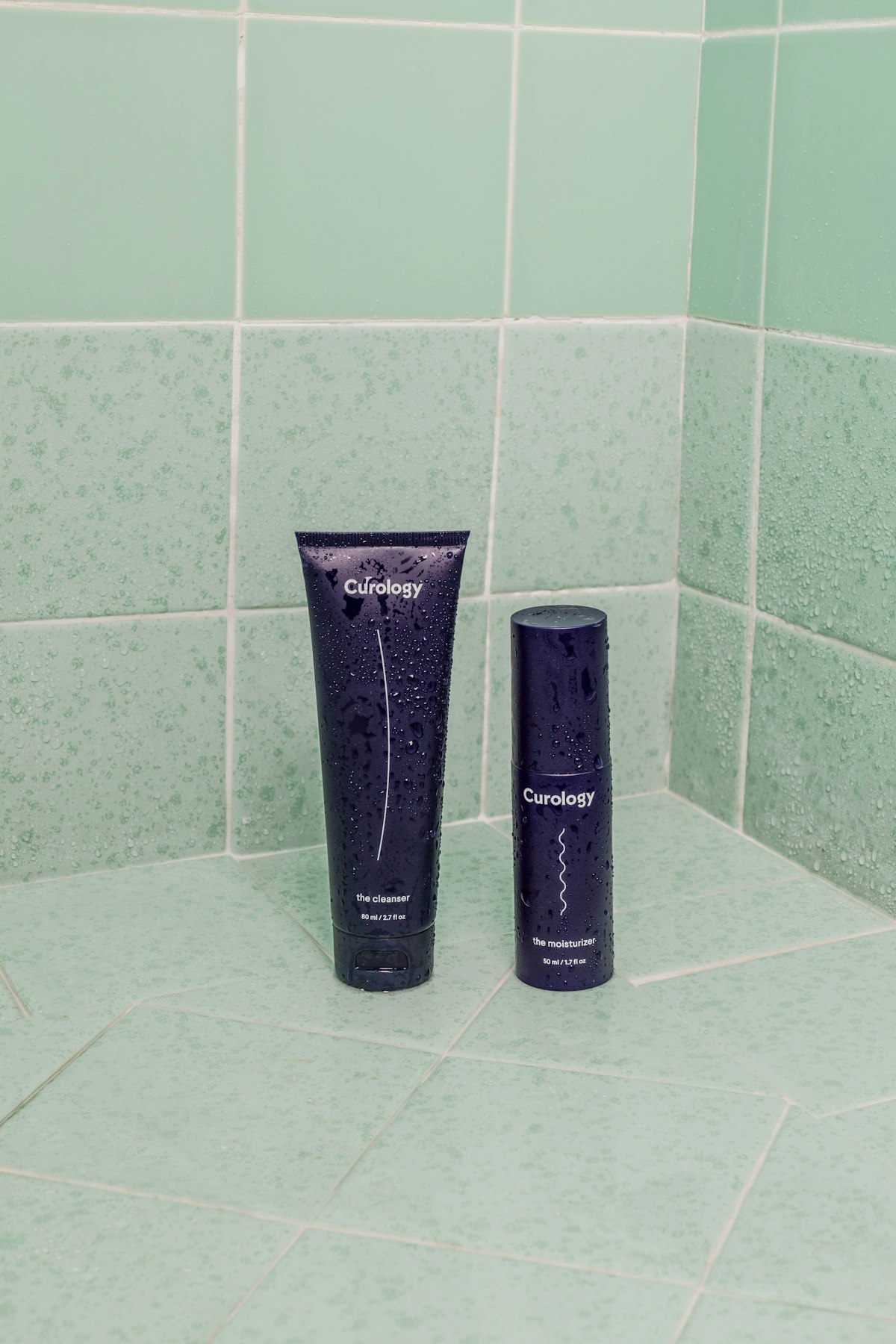
Taking makeup off is the least glamorous part of a routine and one of the most consequential. A product designed to stay on through sweat and oil will not come off with water alone, and scrubbing at it damages the skin and the lashes. The right remover makes the process quick and gentle, and the wrong one can leave the skin tight or clogged.
The main products are cleansing oils and balms, micellar water and water-based cleansers. They work in different ways and suit different needs, and many people use two of them in sequence.
How removal works
Makeup is a mixture of pigments, oils, waxes and silicones. Water alone cannot dissolve these, which is why a wash with water and a small amount of cleanser often leaves traces behind. Oil dissolves oil, which is the principle behind oil-based removers. A product containing oil binds to the makeup and lifts it from the skin, and it can be rinsed or wiped away.
Micellar water works differently. It contains tiny structures called micelles, with one end that attracts oil and another that attracts water. The micelles surround the makeup and allow it to be wiped away with water, without the need for rinsing.
Water-based cleansers use surfactants, which are molecules that break the bond between the makeup and the skin. They are effective for light makeup and for the second stage of a two-step routine, but they struggle with waterproof products on their own.
Cleansing oils and balms
A cleansing oil is applied to dry skin and massaged gently over the face. It dissolves foundation, sunscreen and makeup, including waterproof mascara. Water is then added, which turns the oil into a milky liquid that can be rinsed away. A balm works the same way but starts as a solid that melts with the warmth of the hands.
These products are the most effective way to remove a full face of makeup, and they are gentle because they do not require rubbing. They are also useful for people who wear sunscreen daily, since modern sunscreens can be hard to remove with a gentle cleanser alone.
A cleansing oil leaves very little residue when it is emulsified and rinsed properly, and most people do not need a second cleanse. A person with very oily skin or a tendency to break out may prefer to follow with a light water-based cleanser.
Micellar water
Micellar water is poured onto a cotton pad and wiped over the face. It removes light makeup and sunscreen without rinsing, which makes it useful for travel, for a quick routine or for sensitive skin that dislikes the feeling of oil cleansers.
Its limitation is that it needs wiping, and wiping is the part that can irritate the skin. A waterproof mascara usually needs to be held against the eye for several seconds before it comes away. A person who rubs hard to remove makeup will cause more irritation than the product itself.
Micellar water often leaves a slight residue, which some people find unpleasant on the skin. A splash of water afterwards removes it, though that makes the product less convenient.
Water-based cleansers
A gentle water-based cleanser removes light makeup and is the right choice for a second cleanse after an oil cleanser. It is also enough on its own for a person who wears little or no makeup.
The mistake many people make is choosing a cleanser that is too strong. A cleanser that leaves the skin squeaky and tight has removed the lipids of the barrier along with the makeup. Over time, this leads to dryness and sensitivity. A gentle cleanser that leaves the skin comfortable is more effective in the long run.
Cleansers come in several forms. A gel foams and suits oily skin, a cream is gentler and suits dry skin, and a milk cleanser is light and suitable for most types. The label is less important than how the skin feels afterwards.
The two-step method
The two-step method comes from Japan and Korea. A cleansing oil is used first to remove makeup and sunscreen, followed by a water-based cleanser to remove what remains. It is thorough without being harsh, and it suits most skin types when the products are chosen well.
For a person who wears a full face of makeup every day, the two-step method is the most reliable way to clean the skin. For someone who wears only sunscreen and a little concealer, one gentle cleanse is usually enough.
The method is not a rule. A person whose skin feels tight after two cleanses should use one, and a person who still finds makeup on a towel at the end of the day should add a second step.
Removing eye makeup
The eyes need a gentler approach. Waterproof mascara and long-wearing eyeliner need an oil-based remover or a micellar water designed for the eye area. The effective technique is to hold a soaked pad against the closed eye for several seconds, then wipe gently downward. A cotton bud reaches the lash line for any remaining product.
Rubbing at the eyes pulls at the lashes and can cause them to break. It also irritates the thin skin around the eye, which is why the area often looks red and puffy after a rough removal. Patience with a soaked pad is more effective than force.
Common mistakes
Using a cleanser that is too harsh is the most common. A product that strips the skin may feel effective, but the tight feeling is a sign of damage, not cleanliness. The skin should feel comfortable after washing.
Skipping removal altogether is the second. Sleeping in makeup leaves pigments and oils on the skin overnight and can contribute to breakouts and irritation. The effect of a good routine in the morning is largely wasted if the skin was not cleaned at night.
Using the same product for everything is a smaller mistake. A gentle cleanser may not remove waterproof mascara, and a strong oil cleanser may be unnecessary for a face with no makeup. Matching the product to the task makes removal easier and kinder to the skin.
Cleansing for different skin types
Dry skin benefits from an oil cleanser or a cream cleanser, since neither strips the lipids of the barrier. A person with dry skin should avoid foaming cleansers that leave the skin feeling tight, and should pat the face dry rather than rubbing it.
Oily skin can tolerate a gel cleanser and may need it to remove the extra sebum that builds up during the day. A cleansing oil is still useful for makeup and sunscreen, and a person with oily skin who avoids oil cleansers for fear of breakouts is usually mistaken, since the oil is rinsed away.
Sensitive skin needs the simplest products. A fragrance-free cleansing milk or a gentle micellar water works well, and a person with reactive skin should avoid the habit of cleansing twice when once is enough. The skin should feel comfortable after cleansing, and anything that stings or leaves it tight is too strong.
The bottom line
Makeup removal is a matter of dissolving what was applied, not scrubbing it off. Oil cleansers and balms handle a full face of makeup, micellar water suits a quick routine, and a gentle cleanser finishes the job. The sign of a good remover is skin that feels comfortable afterwards, and the sign of a bad one is skin that feels tight.
Double cleansing, explained
Double cleansing means using an oil-based product first and a water-based cleanser second. The first step dissolves makeup, sunscreen and sebum. The second removes anything the oil left behind and leaves the skin feeling clean rather than coated. The method comes from Japanese and Korean routines and has become common elsewhere.
It is not necessary for everyone. A person who wears no makeup and only a light moisturiser may find one gentle cleanser enough, and adding a second step can leave the skin tight. A person who wears foundation and sunscreen every day will usually notice that the skin feels cleaner after two steps, and that the morning routine starts from a better place.
Water and cleanser
The amount of water used with a cleanser matters more than most people think. A cleanser that is rinsed with very hot water can leave the skin feeling tight, while lukewarm water removes the product without stripping it. Splashing the face repeatedly is also a form of friction, and gentle patting with a towel afterwards is kinder than rubbing.
A person who wears little makeup can often remove it with a single gentle cleanse, and adding a second step is a matter of preference rather than necessity. The sign of a good routine is skin that feels comfortable when it is finished, not skin that feels scrubbed.